

5 Personal Branding Statement Examples & How to Write Yours
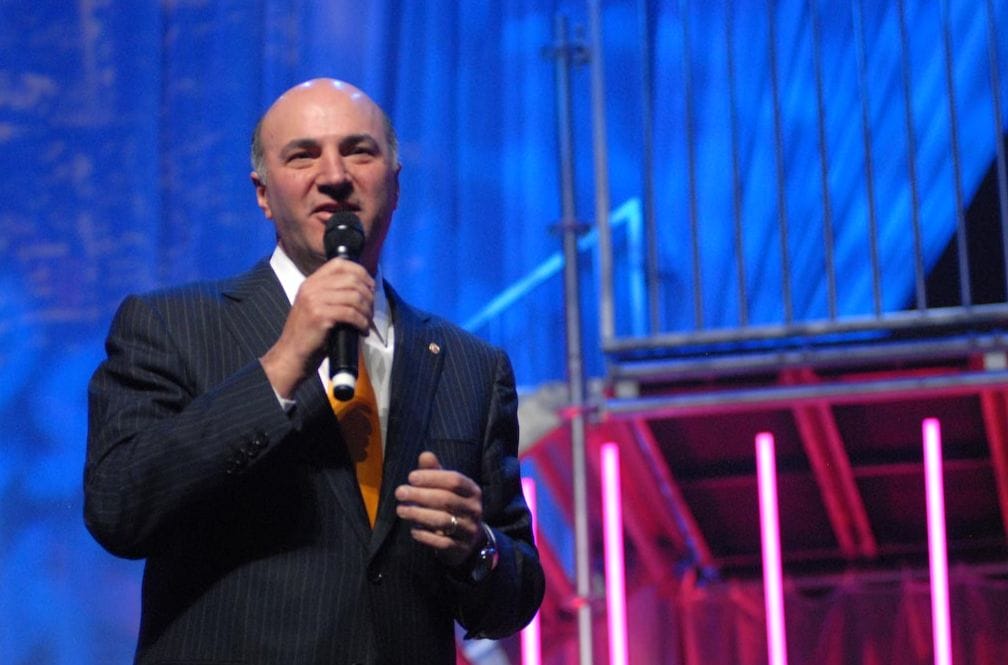
Fans of Shark Tank know Kevin O’Leary, aka “Mr. Wonderful,” as a shrewd businessman with a no-nonsense approach to investing who pays close attention to financial data while devising devilishly sweet deals.
That memorable reputation is no accident. O’Leary stands out because his persona is unique and consistent. In a crowded field of investors and entrepreneurs, his personal brand sets him apart.
So how do you develop an O’Leary-level brand of your own? It starts with a personal branding statement.
What is a personal branding statement?
A personal branding statement is a concise summary that encapsulates who you are, what you do, and the value you bring to the market. It helps you define your unique value proposition and which groups and individuals benefit the most from what you do.
This statement underpins your broader thought leadership strategy. By distilling what you stand for and who you want to reach into one or two sentences, you can narrow your focus and ensure your time is spent helping you achieve your business goals.
But it’s not enough to simply craft the statement. You need to ensure it reaches the right people — which means that getting your message out there, forcefully and frequently. Doing that requires choosing the right channels, creating engaging content, and building your platform methodically over time (and we’ll share more on all of that below).
Personal branding statement examples
Now that you have a better idea of why personal branding statements are impactful, let’s examine some real-world examples. The caveat, of course, is that such statements are rarely if ever published publicly, so we’ll have to do a bit of reverse engineering here.

1. Ryan Reynolds
“I am an actor and entrepreneur who uses my humanity and authenticity to connect with people, creating entertaining experiences while building meaningful business ventures.”
Ryan Reynolds (no relation, unfortunately 😉) is known for his exceptional acting skills, bringing humor and a relatable persona to each role. In recent years, Reynolds extended his career beyond acting, becoming a businessman, investor, and co-founder with products like Aviation American Gin, Mint Mobile, and Wrexham AFC, a Welsh soccer team, in his portfolio.
Reynolds’ personal branding statement has helped scale his business ventures; he’s as authentic and engaging whether he’s trying to help you save money on your cell phone bill or entertain you as Deadpool.

2. Bryan Johnson
“I focus on extending human potential by treating the body and mind as systems that can be optimized, challenging traditional thinking about health and aging.”
Bryan Johnson is a tech CEO and founder who’s best known for building Braintree, which ultimately bought Venmo and sold the combined company to PayPal for $800 million. More recently, Johnson’s made headlines for focusing his energy on human longevity through a new startup called Blueprint, which aims to extend the healthy human lifespan.
Whether you agree with his vision or not, Johnson’s unique approach to health has cemented his status as an influential voice in the longevity conversation.

3. Oprah Winfrey
“I am a media mogul, investor, and philanthropist committed to inspiring individuals to live their best lives through authentic storytelling and a focus on personal growth.”
Oprah Winfrey has been a household name for decades. As her career continues to evolve, her personal branding has played a pivotal role in her success. In addition to her iconic talk show, Oprah’s created the OWN Network, which creates content promoting self-improvement. She’s also given back to the community through the Oprah Winfrey Foundation, a reflection of her continuous commitment to helping others.
By defining her personal brand and sticking to it, Oprah’s built a vast business empire and become one of the most influential figures of our times.

4. Beyoncé
“I am a genre-defying artist and social activist committed to using my platform to champion self-empowerment while pushing boundaries in music.”
Beyoncé’s personal branding statement emphasizes self-expression and boundary-bending artistry. Through albums like Lemonade, which aims to describe the experience of Black females in America, she’s helped build social justice movements while inspiring the next generation of women. Beyoncé’s ventures extend beyond the arts; Ivy Park is her athleisure business, and she routinely engages in philanthropy, including supporting the Black Lives Matters movement.
Add it all up, and her brand transcends music, cementing her status as an influential cultural icon.

5. Arianna Huffington
“I am an entrepreneur and wellness advocate committed to helping my audience reach their full potential by prioritizing health, mindfulness, and work-life balance.”
Arianna Huffington has long been focused on helping her audience live their best lives, building a personal brand that prioritizes health, exercise, nutrition, and downtime as the secrets to career success. After launching and selling The Huffington Post, Huffington became the founder of Thrive Global, becoming a pioneer in the workplace wellness category.
By combining her entrepreneurial skills with an unbreakable commitment to self-care, Huffington has helped her audience achieve their professional goals without sacrificing their health.
For even more personal branding statement examples, check this out.
How to create your own personal branding statement
When you create a personal branding statement, it becomes much easier to communicate who you are and what you have to offer the world. Follow these steps to increase the chances the statement you craft resonates with your audience.
1. Understand your goals and strengths
First things first: Reflect on your professional goals and figure out what you want to achieve. Is it advancing your career, building influence, or launching a new venture?
Kick things off by identifying the core passions and skills that set you apart from everyone else. This exercise ensures that the personal branding statement you ultimately create aligns with your long-term vision.
2. Identify your target audience
Since you can’t speak to everyone at the same time, determine who you most want to engage: employees, potential customers, or industry peers, for example.
Once you’ve found your audience, spend time learning as much as you can about them — their needs, challenges, and what makes them tick. Adjust your personal branding statement to make sure it resonates with these folks.
3. Define your unique value proposition
What makes you different from everyone else in your field? What can you offer that nobody else can? By defining your unique value proposition, you define your north star.
Simply put, your unique value prop is a central tenet of your personal brand.
4. Create a clear and concise personal branding statement
Once you’ve identified your strengths, your target audience, and your value prop, it’s time to put pen to paper and begin drafting a personal branding statement. Since this statement will buttress your larger thought leadership strategy, you need to give this step the attention and energy it deserves.
According to the Harris Poll, investing in thought leadership generates 14x ROI. With so much at stake, consider working with a thought leadership agency to ensure your statement is as perfect as it can be.
5. Test and refine your statement to ensure it’s authentic
Do you really think that you’re going to write the best personal branding statement possible on your first try? Once you’ve settled on something you’re proud of, share it with peers and colleagues to get their feedback.
Make sure that it feels authentic — like something you actually wrote yourself — and that it reflects what you’re building and what your goals are.
Using this feedback, revise your statement to make it clearer and more memorable. This is another area where working with an established agency can make a big difference.
6. Live and breathe it
Ultimately, your personal branding statement is just words on a paper or screen. It’s how you use those words that makes all the difference.
After you’ve settled on your personal branding statement, let it guide your actions, ensuring it flows through social media posts, bylines, speeches, and everything else you put your name on.
To learn more about how a personal branding agency can help you develop an effective personal brand statement and execute a thought leadership strategy grounded in it, read this.


